
Méthode Wim Hof: danger du froid et de sa respiration
La méthode Wim Hof est une technique de respiration (hyperventilation et rétention) pour être capable de résister le plus possible à des températures glaciales. Elle…
TAO YIN ? Qu'est ce que cela signifie ? Tao Yin ou daoyin ou dao yin est une forme de gymnastique douce chinoise pratiquée depuis l'antiquité et mise au point par les fondateurs du Taoïsme. Cette pratique alchimique interne destinée à cultiver la santé était associée à des exercices de respiration ainsi qu'à des exercices de méditation et de concentration mentale. Il est dit que le Tao Yin est l'ancètre du QiQong. Le Tao Yin ou Dao Yin s'apparente aussi fortement au Yoga. Bref, on comprend que le Yoga et le Taoisme sont similaires en essence.
Partant de là, TAO-YIN.com est un blog pour promouvoir le Taoïsme (QiQong) et le Yoga grâce à des articles sur la respiration, la méditation, l'alimentation et la diététique, bref tous les domaines de notre vie qui impactent notre santé, notre bien-être mais surtout notre énergie, notre chi/qi comme dirait un chinois ou notre prana comme dirait un indien.
Nous aborderons de nombreux sujets tels que la gestion du stress grâce à la respiration abdominale diaphragmatique, c'est à dire respirer par le ventre. Nous verrons aussi l'exercice opposé qui est la respiration taoïste inversée qui permet de masser les organes internes. Nous parlerons de la respiration profonde avec la respiration ventrale sans oublier d'aborder le domaine de l'esprit et du mental avec des articles sur la méditation, la concentration mentale, et plus globalement la canalisation de l'énergie, du chi, du prana. En espérant que vous trouviez votre bonheur et toutes les techniques et exercices de respiration et de méditation qui y contribueront.
Consultez aussi l'ensemble de nos articles dans tous les domaines liés au bien-être.
La méthode Wim Hof est une technique de respiration (hyperventilation et rétention) pour être capable de résister le plus possible à des températures glaciales. Elle…
Les chakras sont bien présents dans les organismes. Mais tout le monde ne mesure pas l’importance des chakras dans le corps humain. Ainsi, avec les…
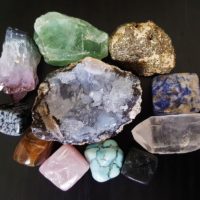
Le bien-être est une chose complexe qui se définit par d’innombrables domaines. Celui dont nous parlons ici se nomme la lithothérapie, il s’agit en fait…
La méthode Buteyko est utilisée par les personnes souffrant d’asthme afin de mieux respirer. Cette technique doit vous permettre de lutter et de gérer votre…

Le lâcher prise a pour principal objectif de vous sentir mieux. On a tous des idées négatives qui polluent notre esprit pendant toute une journée….

Dans notre société moderne, le problème de l’obésité est pris très sérieux par les pouvoirs publics. Il faut dire qu’il y a des plus en…
Le cancer est une grave maladie qui fait de très nombreuses tous les ans. Il y a pourtant des solutions simples à mettre en place…
Rester jeune physiquement est de plus en plus vogue et cela est tout à fait possible en adoptant certaines règles de vie assez simples à…
Avoir des gaz intestinaux est quelque chose de tout à fait normale et naturelle. C’est tout simplement le fait d’avoir accumuler trop de gaz dans…

Avoir une bonne digestion est essentielle pour notre santé car cela évite d’avoir des troubles intestinaux. En effet, ces derniers peuvent être accompagnés de très…
Tout le monde aimerait pouvoir perdre du poids sans avoir à passer par un régime. En effet, cela est très souvent contraignant et les résultats…
Avoir des palpitations du cœur est très inquiétant mais pour autant dans la majeur partie des cas ce n’est pas grave. Le plus souvent cela…
Il peut nous arriver pour diverses raison de faire une crise de nerfs. Cela n’a rien de très alarmant car c’est quelque chose de normal….

L’agitation mentale est souvent à plusieurs facteurs. Cela est surtout au fait que notre esprit a des nombreuses sollicitations au cours d’une journée. Au bout…
L’hyperthyroïdie est un dysfonctionnement de la thyroïde qui fabrique trop d’hormones. Cette dernière se trouve dans le bas du cou et elle est en forme…

Pour devenir plus intelligent, il ne faut pas toujours y consacrer beaucoup d’heures. Même si c’est préférable d’y accorder un peu de temps tous les…

La virilité représente les traits de caractères physiques de l’homme. Cela est donc associé à sa façon de comporter d’un point du vue sexuelle et…

Le ki est un terme japonais qui représente un concept tournant autour d’un principe spirituel sur le début de l’univers qui sert à relier les…

Notre esprit peut être rempli d’inquiétudes qui nous empêchent de nous concentrer sur autres choses. De nos jours, nous sommes de plus en plus stressés…

Le stress et la fatigue chronique sont des maladies qui ne sont pas toujours très simples à détecter. Ces dernières touchent de plus en plus…

Un traumatisme psychique de l’enfance peut avoir de lourdes conséquences dans la façon d’être et d’évoluer lorsqu’une personne arrive à l’âge adulte. Plusieurs études on…

Faire une crise d’angoisse amène plusieurs symptômes comme la gorge serrée, le ventre noué, mal à la tête, le diaphragme bloqué, etc.. Cela peut nous…
Avoir mal en bas du dos au niveau des lombaires est de plus en plus fréquent. Cela peut être la cause d’une mauvaise hygiène de…
Le plexus solaire est la partie du corps qui sert à gérer nos émotions. Il est situé en dessous du sternum et dans les côtes…

Bien dormir est essentiel pour le corps humain. Mais malheureusement les problèmes liés au sommeil sont bien réels et surtout ils sont de plus en…
Il n’est pas rare d’avoir une vive douleur dans le dos quand on a une forte respiration, par exemple après un effort. Il faut tout…

Tout d’abord, il faut savoir que bâiller est très important pour notre cerveau. Ce phénomène naturel arrive quand le cerveau commence à atteindre une température…
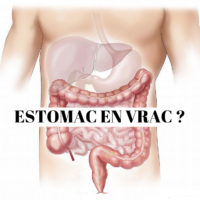
Quand on a un grand stress cela peut se répercuter sur plusieurs parties de notre corps. Par exemple il n’est pas rare d’avoir l’estomac noué…
Une douleur au cœur lorsque l’on respire en profondeur est à prendre très au sérieux. Cela peut être une maladie cardiovasculaires qu’il ne faut pas…

Pour vivre, il faut respirer mais tout le monde ne le fait pas correctement. En effet, la respiration est une fonction innée et par conséquent…
Le diaphragme est un grand muscle qui est essentiel pour avoir une bonne respiration. Il se situe entre le thorax et la zone abdominale. Il…
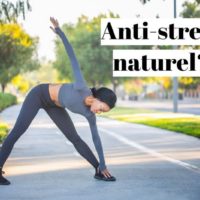
Le stress est de plus en plus présent dans nos vies modernes. Dans notre société, on a l’impression de toujours courir, d’être toujours mis sous…
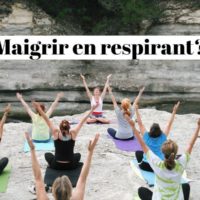
De nos jours, il y a de plus en plus de programmes pour maigrir. Ces derniers ont des résultats plus ou moins convaincants mais surtout…

Être essoufflé après un effort physique est tout à fait normal car on augmente de façon significative le rythme de notre respiration. En effet, nous…

Les périodes de fin d’année scolaire riment avec examens. Il y a le brevet, le bac et les divers épreuves pour les études supérieures. Quoi…

Avoir des insomnies est très fatigant pour le corps humain. En effet, cela joue sur notre humeur et sur notre vie en général. Comme vous…
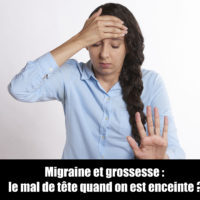
Outre l’euphorie que ressent une femme en état de grossesse, les maux de tête peuvent constituer au quotidien une ombre au tableau. Selon les statistiques…

Avoir une respiration lente et profonde est important pour lutter contre le stress. De nombreux sportifs de haut respirent lentement et profondément afin de mieux…
La maladie de Parkinson fait partie des maux pour lesquels un véritable traitement de guérison n’a pas encore été découvert. Si les causes de cette…
Faire baisser sa tension est très important car être atteint d’une hypertension artérielle peut conduire à de très importants problèmes de santé. C’est pourquoi, il…
Tao-Yin.com était anciennement un site sur les arts classiques du Tao avec une dimension beaucoup plus ésotérique et philosophique qu'aimaient apporter l'ancien gérant: Georges Charles. On y abordait des histoires comme le Baron Rouge, la bête du Guévaudan, Montmartre et ses moulins, les beaux arts du sheng, l'astrologie avec par exemple l'influence du dragon et d'autres symboles forts, etc. Et évidemment, on discutait des nombreuses thérapies alternatives telles que la phytothérapie avec le ginseng, la cuisine chinoise à la vapeur, le feng shui et autres rituels de purification, les notes de musique chinoise et même la littérature érotique asiatique ou encore le san yiquan (boxe chinoise), bref les arts classiques du Tao de Chine et d'Asie.
Aujourd'hui, Tao-Yin.com se transforme en un blog qui se veut beaucoup plus pratique et concret avec des actions et des exercices à réaliser pour cultiver le Tao en nous, pour équilibrer le yin et le yang dans notre corps mais aussi notre esprit. Ainsi, nous aborderons des techniques comme le qi qong, le yoga, la respiration, la méditation, la diététique chinoise et indienne, la médecine chinoise et ayurvédique, bref que du concret pour trouver la voie du juste milieu, la voie du Tao.